
Losing someone you love turns everything upside down. In the middle of grief, exhaustion and tears, suddenly there are decisions to make and calls to return.
Documents need to be gathered, a funeral director chosen, a service planned and whānau rung around the country. Most families in Aotearoa go through this for the first time, and it can feel overwhelming.
This checklist walks you through each stage, one step at a time. From the first hours after a death, right through to the admin that quietly follows in the months ahead. With clear timings, gentle tips and the reassurance that nothing important will slip through.
According to our New Zealand funeral statistics, an average funeral here costs between NZD $8,000 and $15,000, figures supported by FDANZ and Citizens Advice Bureau. There is no strict legal deadline for burial or cremation in New Zealand, though most services happen within three to seven days. Knowing the first steps helps you move through this time more calmly.
Kia ora. I have been a celebrant in Aotearoa since 2016, and I have sat with many families in the days after a loss. If you are reading this while grieving, please know you do not have to figure everything out in one afternoon. Take this checklist slowly, lean on your people, and trust that each small task you tick off is enough for today.
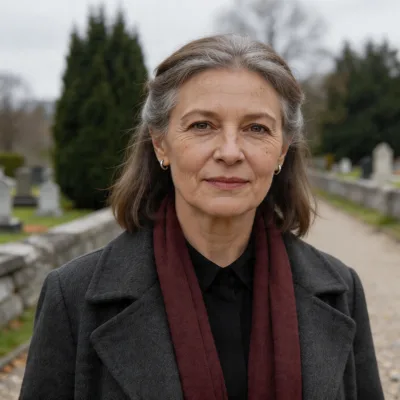 Claire Thompson
The First Hours: Immediately After the Death
The first hours often feel like a blur. Take a moment to breathe. There is no need to rush, especially if your person has passed at home.
These steps need to happen first:
- Call a doctor to verify the death. If the death happens at home, ring the GP or, after hours, the district nurse or 111 if you are unsure. A doctor needs to verify the death and later sign the Medical Certificate of Cause of Death.
- Tell the closest whānau. Start with immediate family only. Wider relatives, friends and workmates can be contacted over the coming days once you have your footing.
- Sit with your person before the funeral director arrives. You are welcome to take a few hours before ringing a funeral home. Many families wash, dress or simply sit alongside their loved one. For some whānau Māori this time is the beginning of tangihanga, and it is a precious part of farewelling.
When you feel ready, start gathering the documents you will need over the coming days:
- Driver licence, passport or other photo ID of the person who has died
- Birth certificate if available
- Marriage or civil union certificate if applicable
- Separation or dissolution order if relevant
- Death certificate of a predeceased spouse or partner
- IRD number, KiwiSaver details and any insurance paperwork
- Any pre paid funeral plan, will or written wishes
Pulling these together early makes everything that follows feel less chaotic.
Day 1 to 2: Choosing a Funeral Director
Once the initial shock settles, the next step is choosing a funeral director. They will be your main support over the coming days, so take the decision at your own pace.
Costs vary widely across Aotearoa. According to Citizens Advice Bureau and FDANZ, it is worth asking two or three firms for a written itemised quote. The difference between providers can easily run into several thousand dollars.
When choosing, look for:
- Transparent pricing. A reputable funeral director provides a written, itemised estimate before you agree to anything. Every cost should be listed line by line.
- Personal recommendations. Ask friends, your GP or your local marae, parish or community group. Lived experience from people you trust is worth more than anonymous reviews.
- A warm, unhurried manner. You will speak with this person many times over the next week. The relationship needs to feel right.
- FDANZ membership. Members of the Funeral Directors Association of New Zealand agree to a published code of professional conduct.
Your funeral director will usually take care of transfer into their care, liaising with the doctor and coroner if needed, booking the crematorium or cemetery, lodging paperwork and supporting you with the service. You can also choose to do more yourselves, such as dressing your person or holding the service at home or on a marae.
The death must be registered with Births, Deaths and Marriages within three working days of the burial or cremation. In practice the funeral director lodges this for you using the BDM28 form, and the official death certificate from BDM usually arrives a week or two later.
Ask at least two funeral homes for a written, itemised quote. Look for the professional service fee, casket or urn, and separate disbursements such as cemetery or cremation fees, doctor's certificates, newspaper notices and catering. Honest providers break every line out. A single lump sum with no detail is a red flag. If money is tight, ask directly about simple or unattended cremation options, which can reduce the total significantly.
Day 2 to 3: Burial, Cremation and Where to Lay Them to Rest
This is often the most emotional choice. What shape should the farewell take? If your person left written wishes, follow those. If not, the immediate family decides together, keeping any cultural or faith traditions in mind.
In New Zealand the main options are:
- Burial. A traditional burial in a local authority cemetery, urupā or private burial ground. Plots can be purchased as single or family plots, and headstones are usually installed several months later once the ground has settled.
- Cremation. Around 70 percent of New Zealanders now choose cremation. Ashes can be interred in an ash plot or niche wall, scattered in a meaningful place, or kept by the family. Scattering on public land or waterways may need permission from the council or hapū.
- Natural or eco burial. Several councils now offer natural burial grounds where the body is returned to the earth without embalming, in a biodegradable casket or shroud. A gentle option for families who want a lighter footprint.
For whānau Māori, burial in the local urupā after tangihanga at the marae is often the tikanga. Your funeral director can work respectfully alongside kaumātua and marae committees to make sure everything happens the right way.
Ask your funeral director or cemetery about plot availability, costs and any restrictions on headstones or plantings. Fees vary noticeably between councils, so it is worth checking early.
Day 3 to 5: Planning the Service
Alongside the burial or cremation, most families hold a funeral or memorial service. It is a significant moment for everyone who loved your person to gather, share memories and begin to grieve together.
The style of service depends on your person's values and your whānau. Church, marae based, secular, humanist or a simple gathering at home. Every form has its place. What matters is that it feels true to the person you are farewelling.
Common elements of a New Zealand funeral service:
- Celebrant or minister. A civil celebrant leads most secular services. For church funerals the minister, priest or pastor officiates. On the marae, kaumātua lead the proceedings.
- Music. Usually two or three songs. Favourite waiata, hymns or pieces of music that meant something to your person.
- Flowers and photos. Casket sprays, sprays of native foliage, framed photographs and small objects that tell their story.
- Notices. A death notice in the local paper or on the funeral home's website, plus a message on Facebook or a shared group so everyone hears in time.
- Refreshments afterwards. A cup of tea, sandwiches and slices at the hall, home, marae or local café. This is often where the real sharing of stories happens.
Death notices in print papers usually have a cut off the day before publication, so get them to your funeral director early. Online notices are more flexible and many funeral homes also host a tribute page where people can leave messages.
Think gently about who will speak. A eulogy is one of the most meaningful parts of the service, and it takes a little time to prepare. Many whānau leave this until a day or two before, and that is often not long enough. If putting words on paper feels too big on your own, our AI eulogy writer can give you a warm, personal first draft in a few minutes. From there you can adjust it in your own voice and add the memories that only you hold.
The Week Before the Service: Final Preparations
In the days leading up to the service, the pieces start to come together. Notices are out, the order of service is taking shape. Now it is the small details that make the day feel whole.
Typical tasks in this stretch:
- Choose what to wear. Dark or subdued clothing is common, though some families prefer bright colours or a specific theme to reflect their person.
- Check in with relatives travelling from out of town and help with accommodation if needed.
- Finalise readings and eulogies, and practise them out loud at least once.
- Confirm music with the celebrant, church or venue.
- Confirm numbers for the wake or afternoon tea with the caterer or venue.
- Collect or arrange delivery of flowers.
- Set out a condolence book, pens and a printed tribute card.
Your funeral director will usually run through the full order of service with you and coordinate all the suppliers. Even so, a quick phone call to the celebrant, florist and venue the day before brings peace of mind.
On the Day of the Service: A Farewell With Dignity
Today is a day that deliberately makes room for grief. Tears, silence and togetherness all belong. No one needs to hold it together perfectly.
A few things that help the day flow:
- Get up gently and eat something. The day is emotionally long. Even a piece of toast helps you stay steady.
- Allow extra time. Guests arriving late, long hugs, unexpected conversations. Everything takes longer than you think.
- Tissues in every pocket. Both for yourselves and for guests who come without any.
- Touch base with speakers. A quiet word and a hug just before the service often does more for nerves than any last minute instruction.
- Let the moments land. The eulogy, the waiata, the final farewell at the graveside. Each one deserves to be felt, not hurried past.
After the service, the wake or afternoon tea begins. For many guests, this is the part they remember most. Cups of tea, shared stories and quiet laughter all help carry the grief together. Slip away for a few minutes whenever you need air. No one will think less of you for it.
Print your eulogy in a large, clear font on numbered cards rather than a single sheet. Mark short pauses after emotional passages. Before you begin, take a slow breath and find a friendly face in the crowd to anchor you. If your voice catches, pause. A moment of silence is part of the love, not a mistake. No one expects polish. They are there for you.
The First Few Weeks: Admin and Notifications
Once the service is over, the paperwork begins. It can feel cold after such an emotional week, but working through it steadily brings its own kind of relief. A simple list helps.
Aim to get through these within the first four to six weeks:
- Order death certificates. Your funeral director registers the death with BDM. Most families order five to ten certificates through BDM. Banks, insurers, KiwiSaver providers and some government agencies will ask for an original.
- Check eligibility for the WINZ Funeral Grant. If the estate cannot cover the cost of the funeral, Work and Income may contribute toward funeral expenses. See workandincome.govt.nz for the current rules and application form. It is worth applying even if you are unsure.
- Notify Inland Revenue, KiwiSaver, banks and insurers. IRD, the bank, any life insurance provider and KiwiSaver scheme all need to be told. Each has their own bereavement process and will guide you through it.
- Cancel or transfer accounts. Power, gas, internet, mobile phone, streaming subscriptions, club memberships, library cards and any recurring direct debits.
- Deal with the will and estate. If your person left a will, the executor applies for probate through the High Court where needed. If there is no will, the estate is distributed under the Administration Act. A lawyer or Public Trust can guide you.
- Tell their employer. If they were still working, final pay, any outstanding leave and superannuation need to be sorted.
- Digital life. Email, Facebook, Instagram and online accounts can be memorialised, archived or closed. Photos and messages are often part of grieving later, so do not rush to delete.
Keep every letter, bill and receipt in one folder. When the paperwork is in order, your mind tends to be a little quieter too.
Months Later: Headstone, Ashes and Ongoing Grief
Once the first weeks pass, a gentler rhythm returns. A few tasks still sit on the horizon, and they can be worked through as and when you feel ready.
Typical next steps:
- Order a headstone or plaque. Usually six to twelve months after burial, once the ground has settled. A temporary marker can sit in the meantime.
- Decide about ashes. Scatter, bury in an ash plot or urupā, divide between whānau or keep at home. There is no right timeline. Many families wait until a meaningful date.
- Send thank you cards. A short handwritten note to those who supported you, sent within six to eight weeks. Even one line means a great deal.
- Sort personal belongings. Clothes, letters and keepsakes. There is no deadline. Wait until you feel ready, and do it with someone if it helps.
- Reach out for grief support. Skylight, your GP, your local hospice bereavement service, church or marae can all help. Talking with others who have walked this road makes a real difference.
Grief moves in waves. Some days the ordinary hums along. Others, the loss lands all over again. That is not weakness. It is love looking for somewhere to go.
In Closing: Structure Holds You Up
Planning a funeral while grieving is one of the hardest things any of us will do. A clear checklist lifts the weight of the logistics, so you can give your attention to what actually matters. The farewell and the remembering.
If a eulogy is asked of you and the words will not come, please do not carry that alone. A respectful, warm first draft can be ready in minutes. Your job is to bring your memories. The moment itself will do the rest.
For a realistic view of what a New Zealand funeral costs in 2025, see our guide on how much a eulogy costs. Further guidance is available from FDANZ, Citizens Advice Bureau New Zealand and the Births, Deaths and Marriages service at govt.nz.
Frequently Asked Questions
What should I do in the first hours after a death at home?
Call a doctor to verify the death, ringing the GP or, after hours, the district nurse or 111 if you are unsure. Tell the closest whānau first, and know that you are welcome to take a few hours to sit with your person before ringing a funeral home. A doctor needs to verify the death and later sign the Medical Certificate of Cause of Death.
How soon must a funeral happen, and when must the death be registered?
There is no strict legal deadline for burial or cremation in New Zealand, though most services happen within three to seven days. The death must be registered with Births, Deaths and Marriages within three working days of the burial or cremation, which the funeral director usually lodges for you using the BDM28 form. The official death certificate then arrives a week or two later.
What documents do I need to gather?
Pull together the person's photo ID such as a driver licence or passport, their birth certificate, and a marriage or civil union certificate if applicable. Also find their IRD number and KiwiSaver details, any insurance paperwork, and any pre-paid funeral plan, will or written wishes. Gathering these early makes everything that follows feel less chaotic.
How do I choose a funeral director?
Take the decision at your own pace, since this person will be your main support over the coming days. Ask two or three firms for a written, itemised estimate so you can compare them line by line, seek personal recommendations from friends, your GP or your local marae, and look for a warm, unhurried manner and FDANZ membership. A single lump sum with no detail is a red flag.